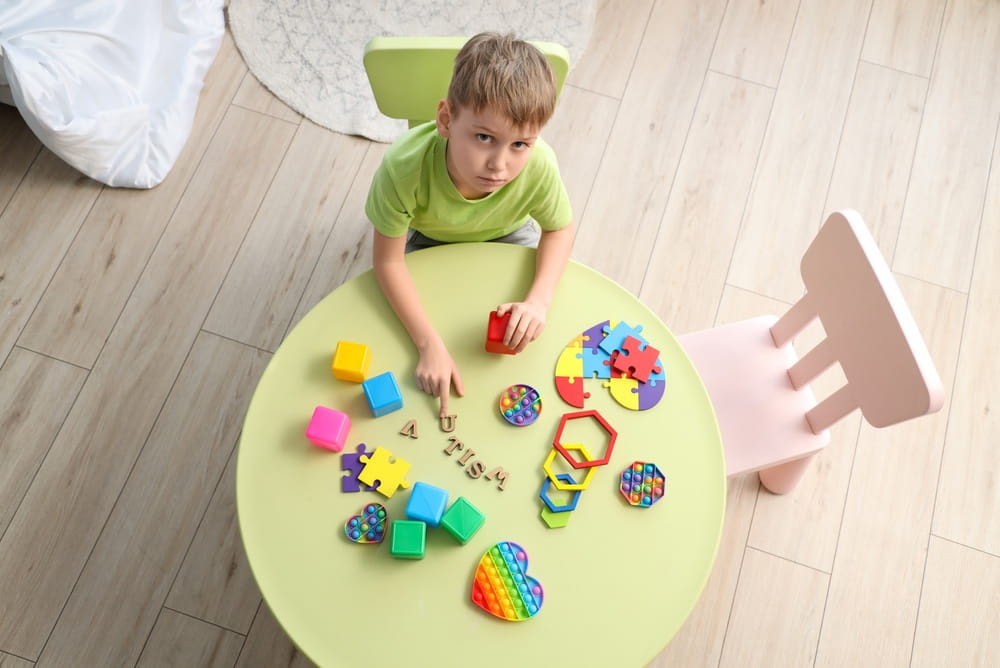
Early childhood is a period of rapid growth, and while every child develops at their own pace, certain milestones help parents and providers recognize whether development is progressing typically. Autism spectrum disorder (ASD) is a neurodevelopmental condition that affects communication, behavior, and social interaction, and recognizing early signs can make a meaningful difference in a child’s long-term progress.
Early identification allows families to better understand their child’s unique needs and begin supportive strategies sooner. Developmental and behavioral pediatricians rely on careful observation, parental input, and structured tools like comprehensive developmental evaluations to assess whether behaviors align with expected developmental patterns. Knowing what to look for empowers parents to act with confidence rather than uncertainty.
Social Interaction Differences in Young Children
Subtle Signs That May Appear Early
One of the earliest indicators of autism often appears in how a child engages socially. Infants and toddlers typically show interest in faces, respond to smiles, and seek interaction with caregivers. Children with autism may display differences in these behaviors, which can sometimes be subtle in the beginning.
Parents might notice that their child does not consistently make eye contact, does not respond to their name, or seems less interested in interactive games like peekaboo. A child may also prefer to play alone rather than engage with others, even siblings. These differences are not always immediately concerning on their own, but patterns over time can signal the need for further evaluation.
As children grow, social differences may become more noticeable. They may have difficulty understanding social cues, sharing attention, or expressing emotions in ways that align with peers. These signs are important to observe because social development plays a critical role in communication and learning.
Communication Delays and Language Patterns
When Speech Development Looks Different
Language development is another key area where early signs of autism may appear. While some children with autism develop typical language skills, many experience delays or differences in how they communicate. Parents may notice that their child is not babbling by 12 months, not using words by 16 months, or not combining words by age two.
Beyond delays, communication differences can include limited gestures such as pointing or waving, or unusual speech patterns. Some children may repeat words or phrases (a behavior known as echolalia) rather than using language to express their needs. Others may have difficulty initiating or maintaining conversations.
These communication patterns can sometimes overlap with other developmental concerns, which is why a thorough assessment through services like autism evaluations and services helps clarify the underlying cause and guide appropriate next steps. Early support can significantly improve communication skills and overall development.
Repetitive Behaviors and Restricted Interests
Recognizing Patterns in Play and Movement
Children with autism may exhibit repetitive behaviors or develop strong preferences for specific routines or interests. While repetition is a normal part of early learning, certain patterns may stand out as more intense or persistent.
Common examples include repetitive hand movements like flapping, lining up toys in a specific order, or becoming highly focused on particular objects or topics. A child may also become upset by small changes in routine, such as taking a different route home or altering a daily schedule.
These behaviors are often a way for children to regulate their environment and manage sensory input. Understanding the purpose behind these actions helps caregivers respond with empathy and appropriate support rather than frustration. Over time, guidance from developmental specialists can help children expand their flexibility and coping strategies.
Sensory Sensitivities and Daily Experiences
How the Environment Affects Behavior
Many children on the autism spectrum experience sensory sensitivities, which can influence how they respond to everyday situations. These sensitivities may involve sound, light, texture, taste, or movement, and can vary widely from child to child.
For example, a child might cover their ears in response to loud noises, avoid certain clothing textures, or show strong reactions to bright lights. Others may seek sensory input by spinning, jumping, or touching objects frequently. These responses are not simply preferences—they are deeply connected to how the child processes sensory information.
Recognizing sensory differences can help families create environments that feel safe and manageable. Small adjustments, such as reducing noise levels or introducing sensory-friendly activities, can make a significant difference in a child’s comfort and ability to engage with the world around them.
When to Seek Professional Guidance
Taking the Next Step with Confidence
Parents often wonder when it is the right time to seek professional input. While it can be tempting to “wait and see,” early evaluation is always a proactive step rather than an overreaction. If a child shows multiple signs across social, communication, or behavioral areas, consulting a specialist can provide clarity and direction.
A developmental pediatrician may recommend evaluations that explore a range of possibilities, including autism, attention challenges, or other developmental differences. In some cases, overlapping concerns like attention difficulties may also be explored through services such as ADHD evaluations and treatment to ensure a comprehensive understanding of the child’s needs.
Here are a few signs that may indicate it’s time to seek an evaluation:
- Limited eye contact or response to name by 12 months
- Delayed speech or loss of previously acquired language
- Lack of interest in social interaction or play
- Repetitive behaviors or intense routines
- Strong sensory reactions to everyday stimuli
Taking action early allows families to access support, build effective strategies, and better understand how to help their child thrive.
Supporting Your Child’s Unique Development
Every child develops in their own way, and a diagnosis does not define their potential. With the right support, children with autism can build meaningful relationships, develop communication skills, and navigate the world with greater confidence. Families play a central role in this journey, and having the right information makes all the difference.
Working with experienced professionals can provide valuable insight and guidance when developmental concerns arise. Recognizing early signs of autism is not about labeling—it’s about understanding, supporting, and empowering each child to reach their fullest potential.
Sources
Centers for Disease Control and Prevention. (2023). Signs and Symptoms of Autism Spectrum Disorder.
American Academy of Pediatrics. (2020). Identification, Evaluation, and Management of Children With Autism Spectrum Disorder. Pediatrics.
Lord, C., Brugha, T. S., Charman, T., et al. (2020). Autism Spectrum Disorder. Nature Reviews Disease Primers.