
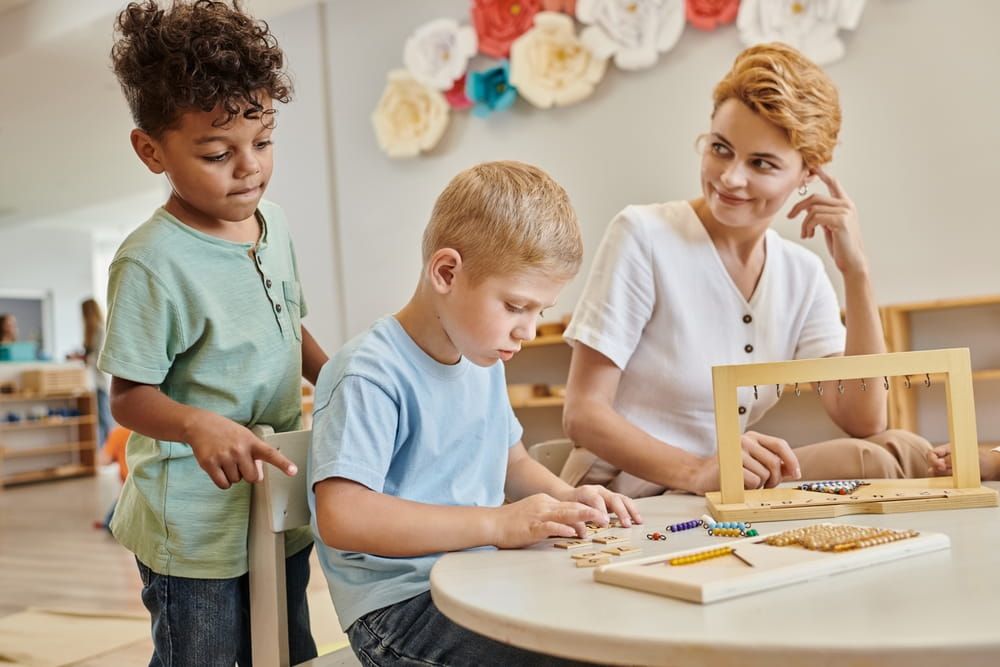
Families in Coconut Creek, Florida often seek guidance when they notice differences in how their child learns, communicates, or behaves. At practices like Behavioral Pediatrician, under the care of specialists such as Dr. Nidsy Mejia Roque, developmental evaluations help provide clarity and direction for children with developmental or behavioral needs. Understanding what happens during this process can ease uncertainty and help parents feel more confident in taking the next step.
Understanding the Purpose of a Developmental Evaluation
A developmental evaluation is a comprehensive process designed to assess how a child is growing across multiple areas, including communication, motor skills, social interaction, behavior, and learning abilities. These evaluations are not about labeling a child, but rather about understanding their unique strengths and challenges. The goal is to create a clear picture of how a child is developing compared to expected milestones and to identify any areas where additional support may be beneficial.
Parents often pursue evaluations when they notice delays in speech, difficulty focusing, challenges with social interaction, or behavioral concerns. A thorough assessment can help determine whether these differences are part of typical variation or related to conditions such as ADHD, autism, or mood-related concerns. For families exploring a deeper understanding, a Comprehensive developmental evaluations approach ensures that no aspect of development is overlooked.
The Initial Consultation and Parent Interview
The process typically begins with a detailed consultation that focuses heavily on the child’s history. Parents play a critical role during this stage, as they provide insight into their child’s developmental milestones, medical background, behavior patterns, and daily routines. This conversation often includes questions about pregnancy and birth history, early developmental milestones, school performance, and social interactions.
This stage is also an opportunity for parents to share their concerns openly and ask questions. Providers aim to create a supportive environment where families feel heard and understood. Gathering this information helps guide the rest of the evaluation and ensures that testing is tailored to the child’s specific needs rather than using a one-size-fits-all approach.
Direct Observation and Standardized Testing
After the initial discussion, the evaluation moves into direct interaction with the child. This may involve structured activities, play-based observation, and standardized testing tools. These tools are carefully selected based on the child’s age and presenting concerns, allowing providers to assess areas such as language skills, attention span, problem-solving abilities, and social engagement.
For example, a child being evaluated for attention challenges may complete tasks designed to measure focus and impulse control, which can contribute to understanding conditions like ADHD. Families exploring concerns related to attention and focus may benefit from learning more about Diagnosis and management of ADHD. Similarly, evaluations for social communication differences often include tools that help identify characteristics associated with autism, aligning with approaches used in Diagnosis and management of Autism.
Key Components of the Evaluation Process
While every evaluation is customized, most include several core elements that provide a well-rounded understanding of a child’s development:
- A detailed parent or caregiver interview
- Review of medical, educational, and developmental history
- Standardized developmental and behavioral assessments
- Observation of play, communication, and interaction
- Input from teachers or caregivers when applicable
These components work together to ensure that the evaluation reflects the child’s abilities across different environments, not just in a clinical setting. This comprehensive perspective is essential for making accurate and meaningful recommendations.
Interpreting Results and Next Steps
Once the evaluation is complete, the provider carefully analyzes the results and compiles them into a detailed report. This report explains findings in clear, understandable language and outlines whether the child meets criteria for any developmental or behavioral conditions. It also highlights strengths, which are just as important as identifying challenges.
In addition to diagnostic clarity, the evaluation provides actionable recommendations. These may include therapy options, educational strategies, behavioral supports, or lifestyle adjustments. For older children and teens experiencing emotional changes, understanding the distinction between typical development and mental health concerns is essential, especially when exploring topics related to Diagnosis and management of mood disorders in teenagers.
Supporting Your Child After the Evaluation
Receiving the results of a developmental evaluation can bring a mix of emotions, from relief to uncertainty. What matters most is how families use this information moving forward. Early identification allows for early intervention, which can significantly improve outcomes in areas such as communication, learning, and social skills.
Parents can support their child by staying engaged in recommended therapies, maintaining open communication with educators, and creating a structured, supportive home environment. Simple strategies such as consistent routines, clear expectations, and positive reinforcement can make a meaningful difference in daily life. It’s also important for families to remember that development is a journey, and progress often happens gradually over time.
Empowering Families Through Knowledge
A developmental evaluation is not just a clinical process—it’s a powerful tool that helps families better understand their child and advocate for their needs. By identifying both strengths and areas for growth, these evaluations provide a roadmap for meaningful support and long-term success.
For families in Coconut Creek, Florida, seeking guidance from experienced professionals like Dr. Nidsy Mejia Roque at Behavioral Pediatrician can help bring clarity to complex developmental concerns. With the right information and support, families are better equipped to help their children thrive in every stage of development.
Sources
Centers for Disease Control and Prevention. (2023). Developmental Monitoring and Screening.
American Academy of Pediatrics. (2020). Identifying Infants and Young Children With Developmental Disorders.
Lord, C., et al. (2020). Autism Diagnostic Observation Schedule (ADOS-2) Manual.