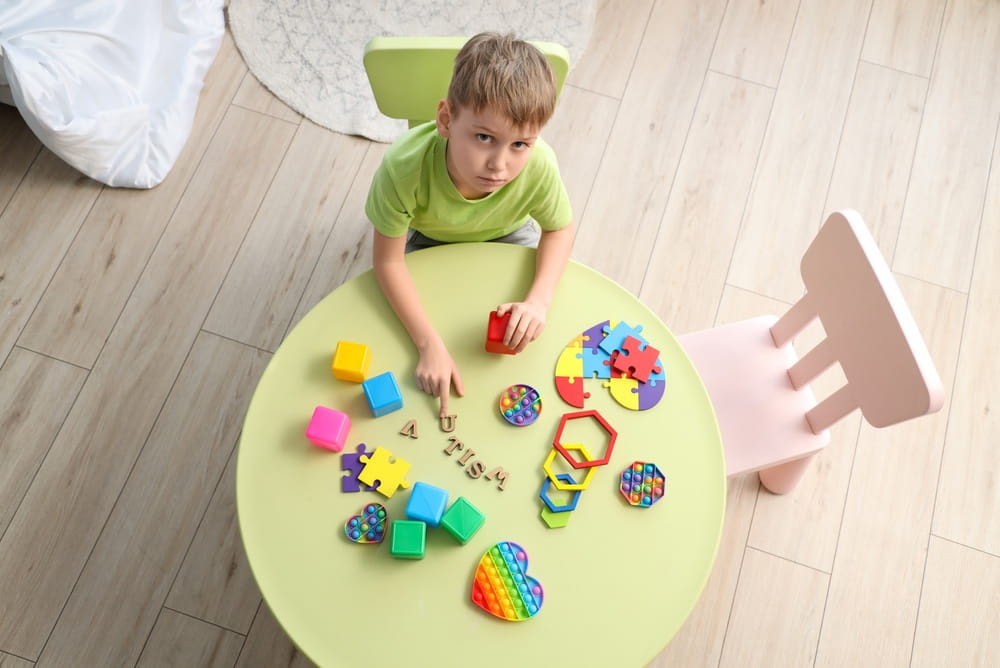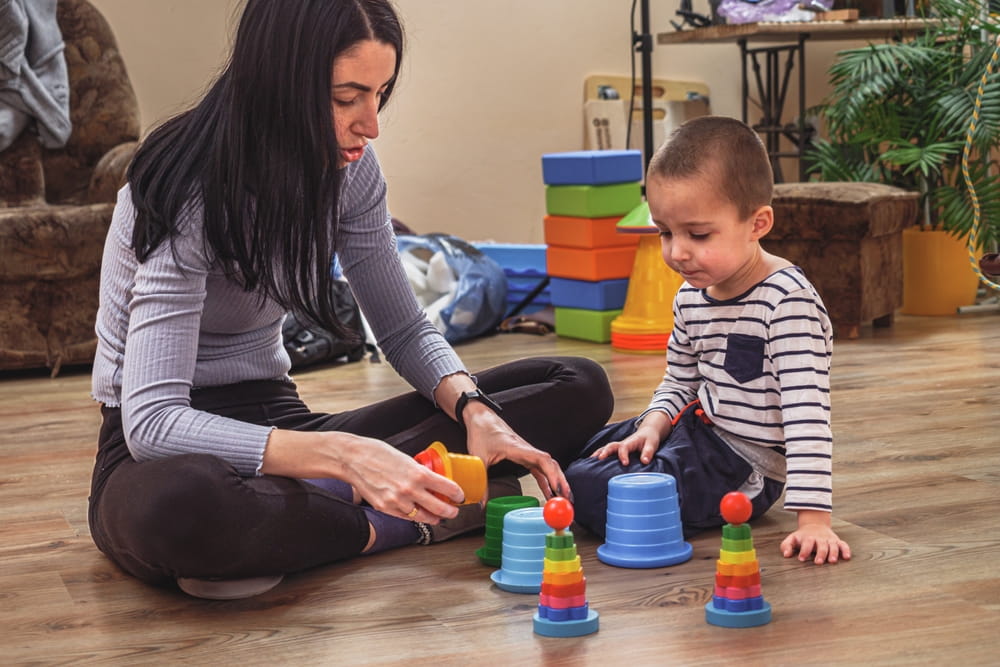
Sensory sensitivities occur when a child’s brain processes input—such as sound, touch, or light—differently than expected. For some children, ordinary sensations can feel overwhelming, while others may actively seek out intense sensory input. These differences are especially common in children with developmental or behavioral conditions, including autism and ADHD.
Understanding sensory sensitivities begins with recognizing that these reactions are not behavioral “choices” but neurological responses. A child who covers their ears in a noisy room or refuses certain clothing textures is not being difficult—they are responding to discomfort in a very real way. By shifting perspective from discipline to understanding, parents can begin to create supportive strategies that meet their child’s needs rather than working against them.
Identifying Common Sensory Triggers
Recognizing Patterns in Daily Life
Children with sensory sensitivities often respond strongly to specific triggers, and identifying these patterns is an important first step in providing support. Triggers can vary widely, but they generally fall into categories such as auditory, tactile, visual, or movement-related sensitivities. For example, a child may become distressed in loud environments like grocery stores, avoid certain fabrics, or feel overwhelmed by bright lighting.
Observation plays a key role in identifying these triggers. Parents may notice that their child consistently reacts in certain situations—such as during haircuts, mealtimes, or transitions between activities. Keeping track of when and where these reactions occur can help uncover patterns that might not be immediately obvious. Over time, this awareness allows families to anticipate challenges and prepare supportive responses in advance.
In some cases, sensory sensitivities may be part of a broader developmental profile. A detailed assessment through comprehensive developmental evaluations can help identify whether sensory processing differences are linked to conditions such as autism or attention-related concerns.
Creating a Sensory-Friendly Environment
Small Changes That Make a Big Difference
One of the most effective ways to support a child with sensory sensitivities is by adjusting their environment to reduce discomfort and increase predictability. These changes do not have to be dramatic—small, thoughtful modifications can significantly improve a child’s ability to engage and feel at ease.
At home, this might include creating a quiet space where the child can retreat when overwhelmed, using soft lighting instead of harsh overhead lights, or offering clothing options that avoid irritating textures. In public settings, preparing ahead by bringing noise-canceling headphones or familiar comfort items can help ease transitions and reduce stress.
Consistency is also important. Predictable routines help children feel secure and reduce the likelihood of sensory overload. When children know what to expect, they are better able to manage their reactions and participate more comfortably in daily activities.
Teaching Coping Strategies and Self-Regulation
Helping Children Build Awareness and Control
While environmental adjustments are helpful, teaching children how to manage their sensory experiences is equally important. Over time, children can learn to recognize when they are becoming overwhelmed and use strategies to regulate their responses.
Parents can introduce simple coping techniques such as deep breathing, squeezing a stress ball, or taking short breaks when needed. For children who seek sensory input, activities like jumping, swinging, or playing with textured objects can provide a healthy outlet. These strategies should be introduced gradually and practiced during calm moments so they become familiar tools when challenges arise.
Working with professionals can also provide guidance on building these skills. In some cases, children may benefit from a broader evaluation, such as autism evaluations and services, to better understand how sensory sensitivities fit into their overall development and to guide individualized support strategies.
Supporting Emotional Well-Being
Building Confidence and Reducing Frustration
Sensory sensitivities can impact more than just physical comfort—they can also affect a child’s emotional well-being. Frequent overwhelm may lead to frustration, anxiety, or avoidance of certain activities. Supporting emotional health is an essential part of helping children navigate their sensory experiences.
Validation is a powerful tool. When parents acknowledge a child’s feelings—rather than dismissing them—it builds trust and helps the child feel understood. Phrases like “I see that this is too loud for you” or “That fabric feels uncomfortable, doesn’t it?” reinforce that their experiences are real and important.
Encouraging gradual exposure to challenging situations, rather than forcing immediate adaptation, can also help build confidence. With patience and support, children can expand their comfort zones at their own pace. This approach reduces stress and promotes long-term resilience.
When to Seek Professional Guidance
Knowing When Extra Support Is Needed
While many sensory sensitivities can be managed with home strategies, there are times when professional guidance can provide additional clarity and support. If sensory challenges significantly interfere with daily routines, social interactions, or learning, it may be beneficial to consult a developmental specialist.
A comprehensive evaluation can help determine whether sensory sensitivities are part of a larger developmental picture. In some cases, children may also experience overlapping challenges such as attention difficulties, which can be explored through services like ADHD evaluations and treatment.
Parents should consider seeking guidance if they notice persistent distress in response to sensory input, avoidance of common activities, or difficulty adapting to new environments. Early support can help prevent challenges from escalating and provide families with effective tools to navigate daily life.
Helping Your Child Thrive Every Day
Supporting a child with sensory sensitivities is an ongoing process that evolves as the child grows. With understanding, patience, and the right strategies, families can create environments where children feel safe, supported, and empowered to explore the world around them. Small adjustments, consistent routines, and emotional support all contribute to meaningful progress over time.
By recognizing and addressing sensory sensitivities early, parents can help their children build confidence, develop coping skills, and thrive in everyday life.
Sources
Ben-Sasson, A., Carter, A. S., & Briggs-Gowan, M. J. (2009). Sensory Over-Responsivity in Elementary School Children. Journal of Abnormal Child Psychology.
Miller, L. J., Anzalone, M. E., Lane, S. J., et al. (2007). Concept Evolution in Sensory Integration: A Proposed Nosology for Diagnosis. American Journal of Occupational Therapy.
American Academy of Pediatrics. (2012). Sensory Integration Therapies for Children With Developmental and Behavioral Disorders. Pediatrics.