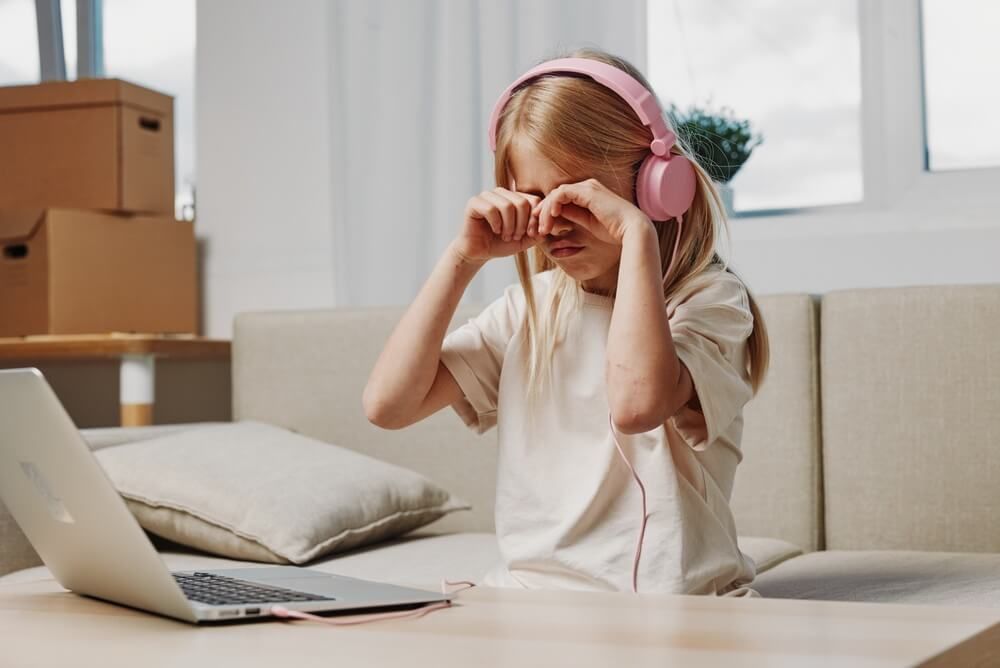
At Beehave Developmental & Behavioral Pediatrics, behavioral concerns are approached with compassion, clinical expertise, and a deeper understanding that behavior is a form of communication. Children do not act out “for no reason.” Behaviors such as tantrums, aggression, defiance, impulsivity, emotional outbursts, or difficulty following directions often signal an unmet need, developmental difference, emotional stressor, or skill deficit. A professional evaluation helps uncover the reasons behind these patterns so families can move forward with clarity and effective support.
Led by Dr. Nidsy Mejia Roque, behavioral evaluations focus on understanding the whole child, including development, temperament, learning style, family dynamics, school experiences, communication skills, and emotional regulation. The goal is not to label a child as “bad” or “difficult,” but to identify what is driving the behavior and create a personalized plan that supports healthier responses and stronger family relationships.
Signs Parents May Notice at Home or School
Many children go through challenging phases, but persistent or escalating behaviors may deserve professional attention. Parents and teachers often notice concerns in multiple settings.
- Frequent tantrums beyond the expected age
- Aggression toward siblings, peers, or adults
- Difficulty managing frustration
- Constant arguing or refusal to follow directions
- Impulsivity or acting without thinking
- Trouble with transitions or changes in routine
- Emotional outbursts that seem intense or unpredictable
- Difficulty sharing, taking turns, or socializing appropriately
- Disruptive classroom behavior
- Inattention or inability to stay on task
- Anxiety-related avoidance or shutdown behaviors
- Sleep struggles affecting mood and behavior
- Repetitive conflicts at home over routines or homework
These behaviors can have many causes, which is why a comprehensive developmental and behavioral evaluation is valuable.
Why Early Behavioral Evaluation Matters
When challenging behaviors continue without answers, families often feel exhausted, confused, and unsure of what to do next. Repeated discipline attempts may not work if the true issue is related to ADHD, anxiety, autism, sensory needs, learning differences, trauma, language delays, sleep problems, or emotional regulation difficulties. A professional evaluation helps identify the root causes rather than focusing only on visible behavior. Early intervention can prevent school problems, family stress, peer difficulties, and declining self-esteem. It also helps children learn replacement skills such as coping strategies, communication, flexibility, and self-control. Parents benefit by receiving practical tools that reduce power struggles and improve consistency at home. Most importantly, children feel better understood and supported when adults respond to the cause rather than just the symptom.
What to Expect During the Evaluation Process
Behavioral evaluations at Beehave Developmental & Behavioral Pediatrics are thorough, individualized, and family-centered.
- Parent Consultation and History Review: The process begins with a detailed discussion about current behaviors, triggers, routines, developmental milestones, medical history, school concerns, and family dynamics.
- Behavior Rating Scales and Questionnaires: Parents, teachers, and caregivers may complete standardized forms to better understand patterns across different environments.
- Child Observation and Clinical Interaction: Your child may be observed during play, conversation, or structured activities to assess communication, attention, emotional responses, flexibility, and behavior.
- Screening for Developmental and Emotional Factors: Attention difficulties, anxiety, autism traits, learning challenges, mood concerns, sensory differences, and sleep issues may all be considered.
- Whole-Child Lifestyle Review: Nutrition, screen time, routines, stressors, and environmental influences are reviewed because they can significantly affect behavior.
- Results and Clear Recommendations: Families receive understandable feedback that explains likely contributing factors and practical next steps.
- Personalized Support Plan: Recommendations may include parent coaching, behavior strategies, school accommodations, therapy referrals, follow-up care, or additional developmental testing when needed.
Building Healthy Behavior Skills at Home
Not every behavioral challenge can be prevented, but supportive habits can reduce stress and improve regulation. Consistent routines help children know what to expect and feel more secure. Clear expectations stated calmly and simply are often more effective than repeated lectures. Positive reinforcement encourages desired behaviors and builds motivation. Adequate sleep, balanced nutrition, and regular physical activity can improve mood and self-control. Teaching children to name emotions and practice calming strategies can reduce outbursts over time. Parents also benefit from learning how to respond consistently rather than reacting in the moment. Early support creates healthier patterns before behaviors become more entrenched.
Children can make significant progress when the reasons behind behavior are accurately understood and appropriately addressed. Many improve with a combination of family strategies, school support, therapy, and developmental guidance. As children gain coping skills, communication tools, and emotional awareness, daily life often becomes more manageable. Family relationships may strengthen as conflict decreases and confidence grows. School functioning can also improve when children receive the right accommodations and behavioral supports. Some children need short-term intervention, while others benefit from ongoing care as they develop. With the right plan, challenging behavior can become an opportunity for growth rather than a long-term obstacle.
Frequently Asked Questions
Are behavioral problems always caused by poor discipline?
No. Behavior can be influenced by developmental, emotional, medical, sensory, or learning factors. An evaluation helps determine what is truly contributing.
When should I seek a behavioral evaluation?
If behaviors are frequent, intense, worsening, or interfering with family life, school, or friendships, an evaluation may be helpful. Early guidance often leads to better outcomes.
Can anxiety look like behavioral problems?
Yes. Anxiety may appear as avoidance, irritability, refusal, shutdowns, or emotional outbursts. This is why a comprehensive assessment is important.
Will my child be labeled during the evaluation?
The purpose of the evaluation is understanding and support, not judgment. If a diagnosis is appropriate, it can help guide effective treatment and resources.
What happens after the evaluation?
Families receive recommendations tailored to their child’s needs. These may include home strategies, school support, therapy referrals, or follow-up developmental care.
Compassionate Behavioral Support in Coconut Creek
If your child is struggling with tantrums, aggression, defiance, emotional outbursts, or other challenging behaviors, professional guidance can help identify the underlying causes and develop solutions. Beehave Developmental & Behavioral Pediatrics offers comprehensive evaluations for behavioral challenges in children.
Schedule an appointment with Dr. Nidsy Mejia Roque to better understand your child’s behavior and build a path toward calmer days, stronger skills, and a healthier family life.